MTD ITSA: What Sole Traders & Landlords need to know for 2026
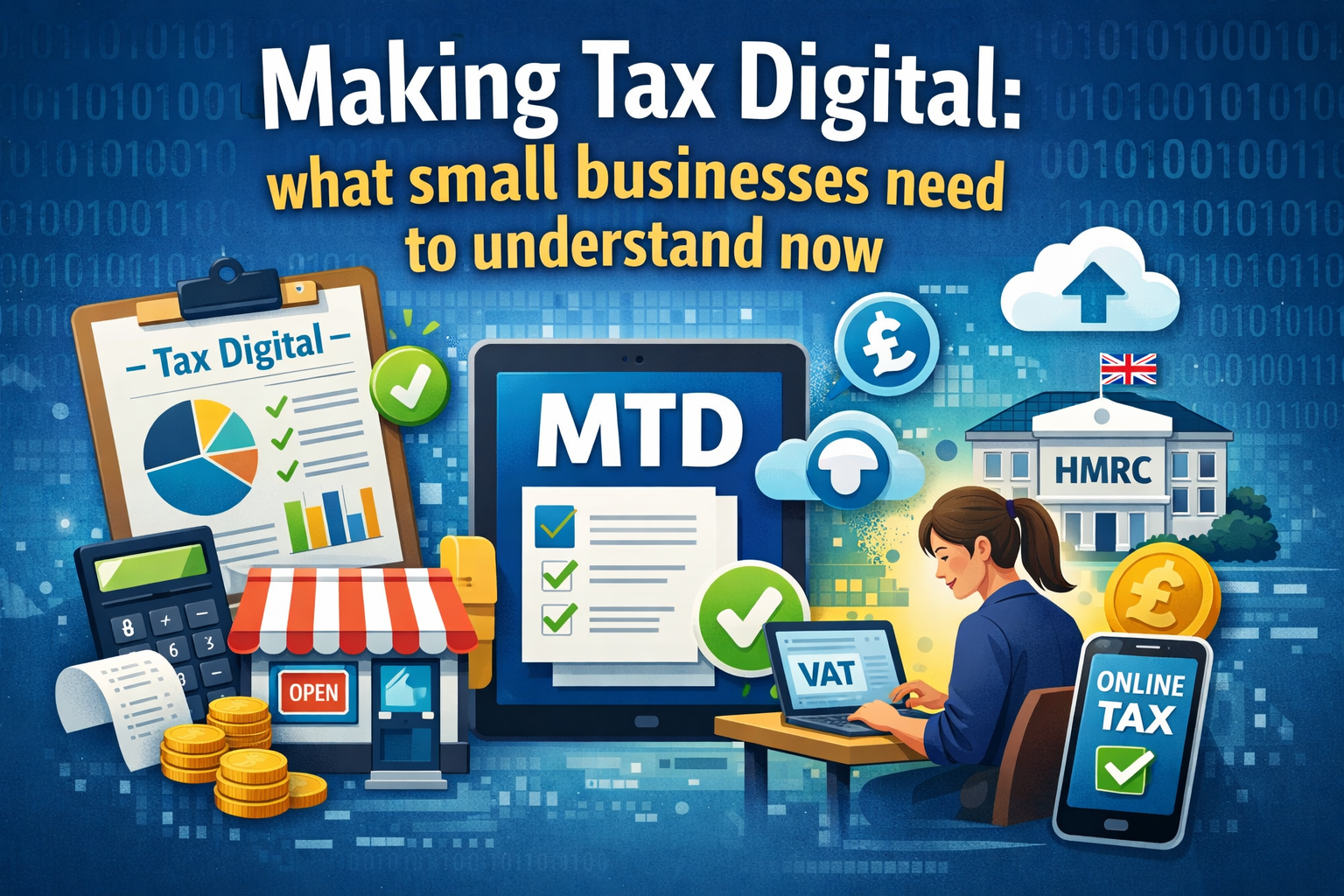
Making Tax Digital (MTD) for Income Tax Self Assessment (ITSA)
MTD is one of the biggest changes coming to the UK tax system and it’s just around the corner.
From April 2026, many sole traders and landlords will need to keep digital records and send quarterly updates to HMRC using MTD-compatible software.
If your income comes from self-employment or property, now’s the time to understand what’s changing and how to prepare.
What’s changing from April 2026?
Under
MTD for Income Tax, you’ll no longer send a single Self Assessment tax return once a year.
Instead, you’ll need to:
- Keep digital records of your income and expenses
- Send quarterly updates to HMRC using approved software
- Submit an end-of-year final declaration confirming your income
This change aims to make tax reporting more accurate, more frequent, and less reliant on paper or manual entries.
Who will need to comply first?
MTD ITSA is being introduced in two stages:
- From April 2026: Sole traders and landlords with a total income of £50,000 or more (from self-employment and property combined) must join MTD.
- From April 2027: Those earning £30,000 or more will need to follow suit.
If your income is below £30,000, MTD won’t apply yet but it’s still worth getting digital systems in place early.
Why spreadsheets alone won’t be enough
Under MTD, your figures must flow digitally from your records to HMRC. That means you can’t simply copy and paste numbers from a spreadsheet you’ll need MTD-compliant bookkeeping software that can link directly to HMRC and submit your quarterly updates automatically. This digital connection ensures your data is accurate and reduces the risk of errors or missed deadlines.
How to prepare for MTD ITSA now
Getting ready early can save a lot of stress later. Here’s how to start:
✅
Review your record-keeping:
If you’re still using paper records or Excel, consider moving to a digital bookkeeping system now.
✅
Choose MTD-compliant software:
There are plenty of options — and we can help you choose the one that fits your business best.
✅
Organise your income sources:
HMRC looks at
combined income from self-employment and property, so make sure you know your total.
✅
Get professional support:
Working with a
bookkeeper experienced in MTD means you’ll have everything set up correctly from the start.
Avoid the 2026 rush get digital-ready now!
MTD might feel like a big change, but with the right support, it can make your finances smoother, clearer, and more efficient.
At Books & Business, we help sole traders, landlords, and small business owners set up digital bookkeeping systems that meet MTD requirements so you’re fully compliant before the April 2026 deadline.